|
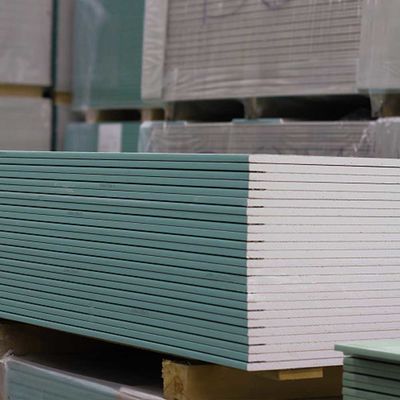
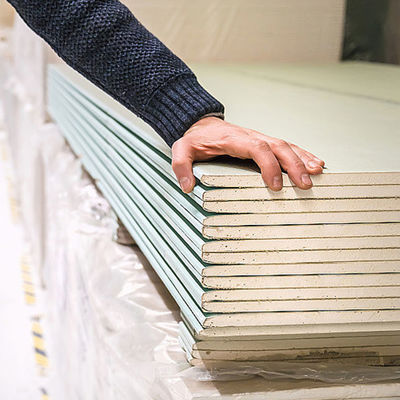

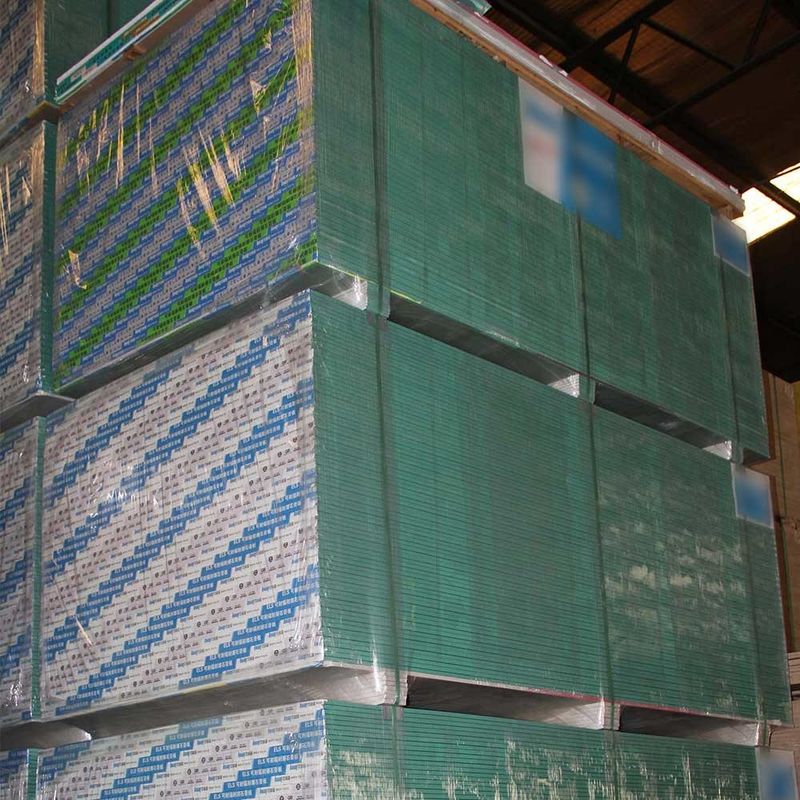
| Marca: | SUNHOUSE |
| Número do modelo: | 1220x244m-12mm |
| MOQ: | 800 |
| Condições de pagamento: | L/C,T/T |
Placas de gesso resistentes à umidade devem ser avaliadas por meio de dados mensuráveis de absorção de água, desempenho do revestimento, resultados de testes de molde e documentação de uso pretendido. Uma superfície verde, um peso baixo da prancha ou uma alegação geral de impermeabilidade não são provas suficientes. Os compradores devem distinguir absorção total de água, absorção de água superficial e resistência ao mofo porque cada propriedade avalia uma parte diferente do produto e tem diferentes limitações de aplicação.
Avalia a quantidade de água que a amostra completa absorve sob as condições de teste especificadas.
Avalia a absorção de água através da superfície testada da placa, e não através de cada borda exposta.
Avalia o crescimento visível de fungos em uma superfície testada sob condições controladas de laboratório.
O desempenho do produto ainda depende da prevenção de vazamentos, ventilação, secagem e projeto correto do sistema.
O teste de absorção de água mede como a placa ou sua superfície responde à água líquida sob condições laboratoriais definidas. O teste de resistência ao mofo avalia o crescimento visível de mofo em uma superfície específica do produto em um ambiente de teste quente e úmido. Uma placa pode ter um bom desempenho em um teste sem fornecer automaticamente o mesmo nível de desempenho no outro.
O crescimento de mofo também depende da duração da umidade, temperatura, poeira superficial, contaminação orgânica, ventilação, condensação e vazamentos ocultos. Placas resistentes à umidade reduzem a vulnerabilidade do produto, mas não podem corrigir uma fonte não controlada de água dentro do edifício.
A absorção total de água geralmente compara a massa seca condicionada de uma amostra de teste com sua massa após a exposição à água especificada. O resultado é normalmente expresso como um aumento percentual na massa. Reflete a influência combinada do núcleo de gesso, aditivos, revestimentos e bordas expostas da amostra sob o método de teste.
O teste de absorção superficial avalia a absorção de água através de uma área definida da face da placa. É particularmente relevante para papéis tratados ou outros revestimentos hidrorrepelentes. O resultado não descreve automaticamente o desempenho através de bordas cortadas, furos de parafusos, juntas ou danos.
O teste de resistência ao mofo expõe a superfície da amostra a condições destinadas a apoiar o crescimento de fungos. A pontuação relatada descreve o crescimento visível na superfície testada durante o período de teste. Não é uma garantia para todas as condições climáticas, de instalação ou de serviço.
A durabilidade instalada depende se o conjunto pode permanecer seco ou secar rapidamente após umidade acidental. A seleção da placa deve, portanto, ser coordenada com ventilação, impermeabilização, controle de vapor, projeto de encanamento e materiais de acabamento.
A construção do produto varia de acordo com o fabricante. Algumas placas usam revestimentos de papel tratado, enquanto outras usam esteiras de fibra de vidro ou revestimentos alternativos. O exato revestimento, tratamento do núcleo e aplicação aprovada deverão ser verificados na ficha técnica.
| Item de comparação | Absorção Total de Água | Absorção de Água Superficial |
|---|---|---|
| Foco Primário | Absorção de água pelo corpo de prova completo. | Absorção de água através de uma área definida da face da placa testada. |
| Formato de resultado típico | Aumento percentual na massa da amostra. | Massa de água absorvida por unidade de superfície. |
| Influência principal do produto | Formulação do núcleo, aditivos repelentes à água, revestimentos, bordas da amostra e estrutura geral do produto. | Tratamento do revestimento, continuidade superficial e resistência da face testada à absorção de água. |
| O que isso não prova | Não prova que juntas, cantos e penetrações formem uma parede impermeável. | Não prova que as arestas cortadas ou áreas danificadas tenham a mesma resistência que a face intacta. |
| Aplicativo do comprador | Compare as classificações dos produtos e a consistência dos lotes de acordo com o padrão aplicável. | Avalie o tratamento de superfície e a compatibilidade com aplicações em salas úmidas ou paredes de azulejos. |
| Erro comum de compra | Tratar uma percentagem baixa como prova de que a prancha pode permanecer permanentemente molhada. | Assumindo o mesmo desempenho nas bordas da placa, furos de parafusos e penetrações de serviço. |
Os resultados de absorção de água só devem ser comparados quando o padrão de teste, as dimensões da amostra, o condicionamento, o tempo de exposição, a temperatura da água, o método de cálculo e a espessura do produto forem equivalentes. O teste de imersão interno de um fornecedor não deve ser comparado diretamente com um resultado obtido através de um método de produto padronizado.
De acordo com a EN 520, as placas de gesso resistentes à humidade podem ser classificadas como Tipo H1, H2 ou H3 de acordo com o seu desempenho declarado de absorção de água. Um valor de absorção permitido inferior representa uma classificação mais rigorosa do Tipo H.
| EN 520 Tipo | Absorção Total de Água | Absorção de Água Superficial | Interpretação de Aquisições |
|---|---|---|---|
| H1 | Não superior a 5% | Não superior a 180 g/m² | Selecione quando o projeto exigir a classificação H1 de absorção reduzida mais rigorosa. |
| H2 | Não superior a 10% | Não superior a 220 g/m² | Classificação comum de resistência à umidade para sistemas internos adequados para áreas úmidas. |
| H3 | Não superior a 25% | Não superior a 300 g/m² | Proporciona absorção reduzida, mas não deve ser apresentado como equivalente a H1 ou H2. |
Os produtos de gesso resistentes à umidade da América do Norte são comumente avaliados de acordo com a especificação de produto ASTM aplicável, usando métodos de teste físico para produtos de painel de gesso. Os compradores devem solicitar a categoria exata da placa, o método de teste, o resultado e os requisitos de aceitação, em vez de perguntar apenas se o produto possui um certificado ASTM.
| Documento ou teste | Finalidade Primária | Verificação do comprador |
|---|---|---|
| ASTM C1396/C1396M | Especificação do produto abrangendo diversas categorias de placas de gesso, incluindo placas de gesso resistentes à água. | Confirme a categoria do produto, espessura, propriedades físicas e aplicação pretendida mostradas na documentação do fornecedor. |
| ASTM C473/C473M | Métodos de teste físico para produtos de painel de gesso, incluindo métodos aplicáveis de resistência à água e resistência à água superficial. | Revise a referência completa do método, informações da amostra, resultado do teste e identificação do laboratório. |
| Resistência à água da placa tratada com núcleo | Avalia a absorção de água por produtos usando um tratamento central hidrorrepelente. | Confirme se a espessura da placa testada e o nome do produto correspondem ao material que está sendo adquirido. |
| Resistência à água superficial | Avalia a resistência à água de uma placa com papel de revestimento hidrorrepelente. | Determine se as superfícies frontal e posterior foram testadas e se as bordas cortadas foram excluídas. |
| Deflexão Umidificada | Avalia a deflexão da placa após exposição a condições de umidade específicas. | Revise esta propriedade separadamente quando a placa for instalada em tetos de áreas úmidas. |
Uma declaração geral que a fábrica produz de acordo com a ASTM C1396 não prova que cada placa fornecida tenha um núcleo resistente à umidade ou um revestimento repelente à água. O relatório e a marcação no painel devem identificar o produto resistente à água que está sendo encomendado.
O teste de resistência ao mofo foi projetado para comparar o crescimento visível na superfície de um produto sob condições ambientais controladas. O resultado deve ser entendido como um indicador de desempenho laboratorial e não como uma garantia vitalícia contra mofo em todos os edifícios.
As amostras do produto são preparadas e condicionadas de acordo com o procedimento laboratorial antes da exposição na câmara.
A câmara mantém condições quentes e úmidas destinadas a estimular o crescimento de fungos em superfícies suscetíveis.
As amostras permanecem na câmara durante o período exigido pelo procedimento de teste aplicável.
A superfície testada é avaliada quanto ao crescimento visível de mofo usando o método de classificação associado ao teste.
O relatório deve identificar o produto testado, superfície, resultado, laboratório e quaisquer limitações.
Os fabricantes de painéis de gesso geralmente usam ASTM D3273 para relatar resistência ao crescimento visível de mofo nas superfícies dos produtos. Uma pontuação relatada de 10 é geralmente apresentada como o resultado mais alto na escala de avaliação do teste.
| Resultado relatado | Interpretação Geral | Limitação do comprador |
|---|---|---|
| Pontuação 10 | Nenhum crescimento visível de mofo observado na superfície testada sob as condições de teste especificadas. | Não prova que superfícies ocultas, arestas cortadas, juntas instaladas ou acabamentos contaminados permanecerão livres de mofo. |
| Pontuação numérica inferior | Níveis crescentes de crescimento superficial visível foram observados de acordo com a escala de avaliação do teste. | As pontuações só devem ser comparadas quando os produtos foram testados utilizando o mesmo método e procedimento de relatório. |
| Somente declaração de aprovação | A amostra atendeu a um critério de aceitação de fornecedor, produto ou projeto. | Solicite o resultado numérico, a superfície testada, o período de exposição e os requisitos de aceitação, quando disponíveis. |
| Nenhuma reivindicação de crescimento visível | Pode descrever a observação laboratorial. | Verifique se a afirmação vem de um relatório completo e não é apenas uma linguagem de marketing. |
A parede instalada ainda pode desenvolver mofo quando a água entra através de vazamentos no encanamento, falha no selante, infiltração externa ou condensação. Poeira, adesivo de papel de parede, películas de tinta e outros materiais de superfície também podem favorecer o crescimento, mesmo quando a placa subjacente teve um bom desempenho em um teste de laboratório.
Um pequeno aumento de umidade é diferente de um vazamento oculto que mantém a prancha úmida por dias ou semanas.
Poeira, sujeira, resíduos de construção e revestimentos orgânicos podem fornecer nutrientes para o crescimento de fungos.
A má extração de ar permite que a umidade e a condensação permaneçam nas paredes e tetos.
Superfícies quentes e ar úmido podem criar condições favoráveis ao crescimento biológico.
O isolamento incorreto ou o controle de vapor podem criar umidade atrás de uma superfície com acabamento aparentemente seco.
Pequenos vazamentos em tubulações, válvulas, banheiras e chuveiros podem permanecer ocultos dentro das divisórias.
Os sistemas de pintura, papel de parede, adesivos e azulejos podem alterar a secagem da superfície e a resistência biológica.
Betonilhas úmidas, gesso e concreto podem liberar umidade após a instalação do sistema de drywall.
| Item de comparação | Placa com face de papel tratada | Painel de gesso com esteira de vidro |
|---|---|---|
| Material de revestimento | Revestimentos de papel tratado resistentes à umidade e ao mofo. | Revestimentos em fibra de vidro em uma ou ambas as superfícies. |
| Acabamento Interior Típico | Processo familiar de acabamento e decoração de drywall. | Os requisitos de acabamento podem variar de acordo com o produto e a aparência final pretendida. |
| Desempenho de teste de molde | Muitos produtos especiais apresentam resultados de alta resistência ao mofo. | Os produtos de manta de vidro geralmente apresentam forte resistência ao crescimento visível de mofo. |
| Exposição de construção | Normalmente destinado a permanecer protegido da chuva e molhamento descontrolado. | Alguns produtos específicos de manta de vidro permitem uma exposição limitada à pré-secagem sob as condições do fabricante. |
| Adequação para áreas úmidas | Depende de aprovação do produto e sistema completo de impermeabilização. | Também depende do tipo exato de produto e da aprovação do sistema; tapete de vidro não significa automaticamente à prova d'água. |
| Decisão do comprador | Adequado onde o acabamento interior familiar e a exposição controlada à humidade são prioridades. | Considere onde é especificamente necessária maior durabilidade do revestimento ou resistência à umidade da construção. |
Painéis internos de vidro, revestimento externo de gesso, placas de telhado e produtos de suporte de telha têm padrões e limites de aplicação diferentes. Os compradores devem identificar a categoria exata do produto em vez de especificar apenas “placa de gesso de fibra de vidro”.
Relatórios de terceiros apoiam a qualificação inicial do produto, mas a compra em massa também requer controle de produção na fábrica. A dosagem do aditivo hidrorrepelente, o tratamento do papel, a densidade do núcleo, a secagem e o armazenamento podem variar se o processo não for devidamente monitorado.
Os aditivos hidrorrepelentes devem ser medidos e registados de acordo com a formulação aprovada.
O fornecedor do papel, o tratamento, o peso e as condições de armazenamento podem influenciar a absorção da superfície.
A mistura consistente suporta a distribuição uniforme de ingredientes repelentes de água através do núcleo de gesso.
Bordas danificadas, abertas ou mal formadas podem criar caminhos mais rápidos para a penetração de umidade.
A secagem inconsistente pode afetar a umidade residual, a aderência do papel e a estabilidade do produto.
Os testes devem ocorrer em uma frequência de produção definida, e não apenas antes do primeiro pedido.
Os registros de testes devem estar vinculados às datas de produção, marcações nas placas e etiquetas dos paletes.
Os lotes falhados devem ser isolados e impedidos de serem misturados com material de exportação aprovado.
| Item de inspeção | Verificação recomendada | Objetivo de compra |
|---|---|---|
| Marcação de quadro | Fabricante, tipo de produto, espessura e código do lote. | Conecta o quadro entregue aos relatórios aprovados. |
| Condição da superfície | Nenhum dano de papel, bolhas, manchas, rugas ou delaminação. | Reduz o risco de entrada localizada de água e falha no acabamento. |
| Condição de borda | Reto, compacto e livre de esmagamentos repetidos ou núcleo aberto. | Suporta articulações consistentes e reduz a absorção do núcleo exposto. |
| Dimensões da placa | Espessura, largura, comprimento, esquadria e perfil cônico. | Confirma a conformidade com a especificação de produto aprovada. |
| Absorção de água em lote | Teste as amostras selecionadas usando o método padronizado acordado. | Confirma o desempenho da produção atual em vez de confiar apenas em um relatório de teste de tipo anterior. |
| Registros de fábrica | Dosagem de aditivos, lote de papel, data de produção e resultados de qualidade. | Ajuda a identificar alterações na formulação e variações na produção. |
| Condição de umidade do palete | Sem tábuas molhadas, condensação, manchas ou suportes de madeira húmidos. | Evita o envio de material já afetado pela umidade. |
| Condição do contêiner | Piso seco, telhado estanque, interior limpo e contraventamento adequado. | Reduz vazamentos de chuva, condensação e danos de transporte. |
A cor do revestimento não prova absorção de água ou resistência a mofo.
Uma percentagem de absorção tem pouco significado sem o método de teste.
Os resultados com unidades e finalidades de teste diferentes são comparados incorretamente.
A placa fornecida pode ter uma absorção permitida substancialmente maior.
A resistência laboratorial é exagerada e transformada numa garantia ilimitada do mundo real.
O produto testado, superfície, laboratório e data não podem ser verificados.
O relatório pode não abranger a espessura da placa incluída na cotação.
O desempenho do produto não pode ser transferido automaticamente entre fábricas.
Supõe-se que o desempenho da face intacta se aplique a todas as arestas expostas.
A baixa absorção da placa é usada para justificar a instalação sem a necessidade de tanque.
A resistência à umidade é tratada incorretamente como permissão para enviar placas encharcadas.
A produção atual pode não corresponder ao produto testado no relatório.
Placa de gesso resistente à umidade, EN 520 tipo H1 ou H2 conforme especificado, absorção total e superficial de água declarada dentro dos limites de classificação aplicáveis, espessura e dimensões especificadas, com declaração do produto, dados de teste, identificação do lote e instruções de instalação do fabricante.
Painel de gesso resistente à umidade e ao molde, em conformidade com a categoria de produto ASTM C1396 aplicável, resistência à água testada usando métodos ASTM C473 aplicáveis, resistência ao molde testada de acordo com ASTM D3273, espessura e tipo de revestimento especificados, com identificação do produto, documentação de laboratório e rastreabilidade de lote.
A absorção total mede a absorção de água pela amostra de teste completa, enquanto a absorção superficial mede a absorção através de uma superfície definida da placa. Eles usam unidades diferentes e não devem ser tratados como o mesmo resultado.
H1 tem limites permitidos de absorção de água total e superficial mais rígidos. No entanto, a adequação do projeto também depende do sistema completo de parede ou teto e da exposição real à água.
Não. H1 identifica desempenho reduzido de absorção de água sob EN 520. Não transforma juntas de placas, bordas cortadas e penetrações em uma barreira impermeável completa.
Não. Indica nenhum crescimento visível na superfície testada sob as condições laboratoriais especificadas. Vazamentos em edifícios, condensação, poeira e acabamentos inadequados ainda podem criar risco de mofo.
Não. Verde, azul, roxo ou outras cores de revestimento não são classificações universais de resistência a mofo. Revise o código do produto e o relatório de teste.
Somente quando o relatório ou a documentação do produto aceita abranger claramente a família de produtos e superfícies relevantes. O produto testado deve corresponder à placa que está sendo adquirida.
Não automaticamente. Os revestimentos de manta de vidro podem melhorar a resistência à umidade e ao mofo, mas o produto ainda deve ser selecionado de acordo com a aplicação pretendida e os requisitos completos do sistema.
As placas expostas à água devem ser avaliadas de acordo com as orientações do fabricante. Distorção, separação do papel, mofo, bordas suaves ou perda de resistência podem exigir rejeição.
Os testes de molde são geralmente usados para qualificação de produtos ou verificação periódica, e não para cada remessa. O controle rotineiro de lote pode se concentrar na formulação, absorção de água, qualidade e rastreabilidade.
Confirme o padrão do produto, classificação H ou categoria ASTM, limites de absorção total e superficial, método de teste de molde, tipo de revestimento, uso pretendido, espessura, controle de lote, embalagem e requisitos de entrega a seco.
Fornecer o padrão ASTM ou EN exigido, classificação H1, H2 ou H3, limites de absorção total e superficial, requisitos de resistência ao molde, espessura da placa, aplicação pretendida e quantidade do projeto. Os dados do produto, os testes de lote e o plano de inspeção de exportação podem então ser revisados antes da produção em massa.
 english
 français
 Deutsch
 Italiano
 Русский
 Español
 português
 Nederlandse
 ελληνικά
 日本語
日本語
 한국
한국
 العربية
 हिन्दी
 Türkçe
 indonesia
 tiếng Việt
 ไทย
ไทย
 বাংলা
বাংলা
 فارسی
فارسی
 polski