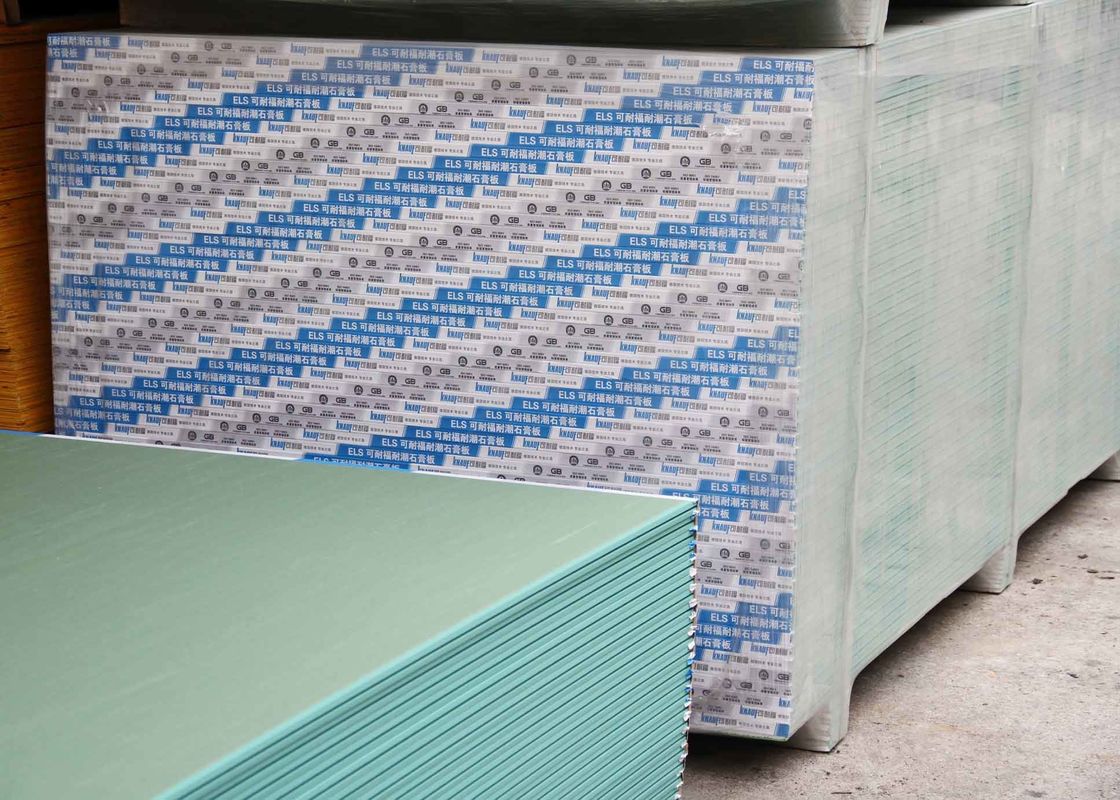
|
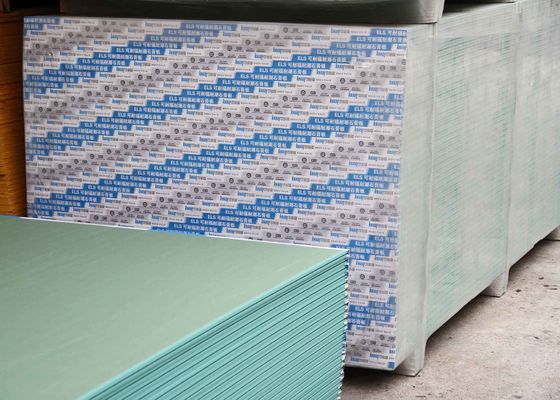
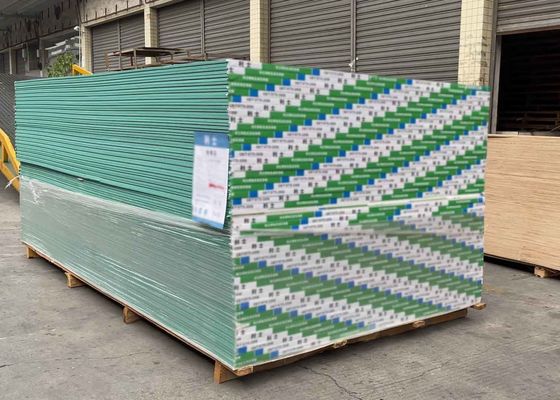
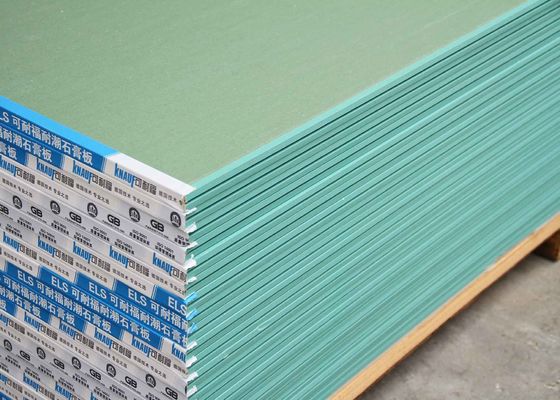
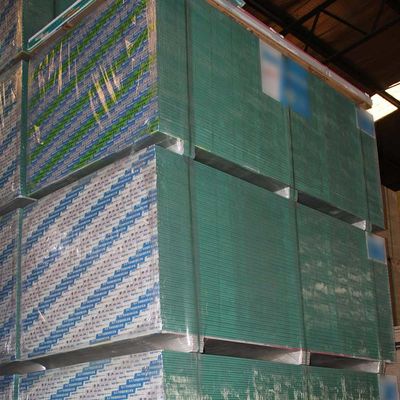
| Marca: | SUNHOUSE |
| Número do modelo: | 1220x244m-12mm |
| MOQ: | 800 |
| Condições de pagamento: | L/C,T/T |
A placa de gesso resistente à umidade foi projetada para locais internos onde a umidade, condensação ou respingos ocasionais de água são mais prováveis do que em ambientes secos normais. Não é automaticamente à prova d'água e não deve ser selecionado apenas porque o papel de revestimento é verde. A aquisição correta exige que os compradores classifiquem a exposição à água, confirmem o padrão de produto aplicável, revisem o sistema completo de parede ou teto e determinem se é necessária uma membrana de impermeabilização separada.
Produtos adequados podem proporcionar melhor desempenho em ambientes internos úmidos em comparação com painéis de gesso padrão.
Some boards may be used where occasional splashing is expected, subject to the product and system instructions.
A água direta contínua requer um substrato para áreas úmidas e um sistema de impermeabilização especificamente aprovados.
Placa, estrutura, juntas, membrana, acabamento, ventilação e uso do ambiente devem ser revisados em conjunto.
A placa de gesso resistente à umidade é formulada para reduzir a absorção de água e melhorar o desempenho em condições internas úmidas. Dependendo do produto, isto pode envolver um núcleo de gesso tratado, materiais de revestimento resistentes à umidade, componentes resistentes a mofo ou uma combinação dessas características. O tratamento melhora a tolerância à umidade, mas não converte o painel em uma lâmina permanentemente impermeável.
Um painel resistente à umidade pode formar uma camada de um banheiro ou parede de azulejos, mas não se deve esperar que ele impeça a penetração contínua de água por si só. As áreas de água direta podem exigir uma membrana aprovada, juntas seladas, adesivo para azulejos compatível, penetrações protegidas e um substrato especificamente permitido para a exposição pretendida.
| Prazo de Desempenho | Significado Geral | O que isso não significa automaticamente | Verificação do comprador |
|---|---|---|---|
| Resistente à umidade | Sensibilidade reduzida à umidade e exposição limitada à umidade em comparação com placas de gesso internas padrão. | Não permite automaticamente contato permanente com água, exposição externa ou uso submerso. | Revise a classificação do produto, os dados de absorção de água, a declaração de uso pretendido e as instruções de instalação. |
| Resistente à água | Capacidade aprimorada de resistir à absorção de água sob condições definidas de teste do produto. | Isso não significa que a água não possa passar através de juntas, arestas cortadas, penetrações ou áreas danificadas. | Confirme o padrão de teste, a condição da amostra, os critérios de aceitação e a aplicação permitida. |
| Resistente a mofo | O produto foi projetado ou testado para reduzir o crescimento de fungos sob condições laboratoriais específicas. | Não evita mofo onde vazamentos, condensação, sujeira e umidade prolongada permanecem descontrolados. | Revise o teste exato do molde, a escala de classificação, a superfície do produto e as limitações do teste. |
| Impermeável | Uma camada ou sistema completo destinado a evitar a passagem de água para construções sensíveis à umidade. | Este termo não deve ser atribuído a placas de gesso comuns resistentes à umidade sem documentação de apoio específica. | Confirmar a membrana, juntas, cantos, drenagem, penetrações e garantia do sistema. |
A placa correta deve ser selecionada de acordo com a exposição real e não com o nome geral da sala. Um banheiro pode conter uma penteadeira relativamente seca, um teto úmido e um box de chuveiro com jato direto, exigindo três abordagens de construção diferentes.
A placa de gesso resistente à umidade é comumente considerada para áreas internas com umidade elevada ou respingos ocasionais, onde a superfície pode secar e nenhuma exposição contínua à água é esperada.
Algumas placas resistentes à umidade são aprovadas por seus fabricantes como substratos para ladrilhos em áreas úmidas. A construção completa pode exigir sistema de tancagem ou impermeabilização, penetrações vedadas e materiais de instalação de ladrilhos compatíveis.
A placa de gesso resistente à umidade com face de papel padrão não deve ser selecionada por padrão para ambientes continuamente úmidos, altamente condensados, submersos ou expostos às intempéries.
| Aplicativo | Exposição Típica | Posição da placa de gesso resistente à umidade | Revisão recomendada |
|---|---|---|---|
| Parede seca de banheiro | Umidade elevada sem jato direto do chuveiro. | Geralmente adequado quando instalado em um sistema interno ventilado. | Confirme a espessura, o acabamento, a estrutura e o código local da placa. |
| Teto do banheiro | Umidade, condensação e vapor quente. | Pode ser adequado se aprovado para uso no teto e instalado nos centros de estrutura exigidos. | Verifique a resistência à flexão, espessura, ventilação e espaçamento dos fixadores. |
| Parede da cozinha | Humidade, vapores de cozedura e salpicos ocasionais de limpeza. | Aplicação comum de placa resistente à umidade. | Proteja as áreas atrás de pias ou equipamentos de acordo com a exposição esperada. |
| Lavanderia | Umidade, condensação e salpicos ocasionais. | Geralmente adequado onde vazamentos e água parada são controlados. | Revise as conexões do aparelho, drenagem e ventilação do ambiente. |
| Parede de chuveiro residencial | Pulverização direta repetida e acabamento em azulejo. | Use somente quando a placa exata e o sistema completo de área úmida forem aprovados para esta aplicação. | Confirme a membrana, juntas, cantos, penetrações e sistema de ladrilhos. |
| Entorno de banheira | Salpicos diretos intermitentes. | Dependente do produto e do sistema. | Revise as orientações do fabricante para áreas úmidas e os requisitos de impermeabilização. |
| Banheiro público | Água frequente, uso intenso e tempo de secagem limitado. | O cartão padrão resistente à umidade com face de papel geralmente não é o substrato padrão preferido. | Considere uma placa dedicada para áreas úmidas e um sistema de membrana completo. |
| Sala de vapor | Vapor contínuo, alta temperatura e condensação. | Não é adequado, a menos que um sistema especializado seja especificamente aprovado. | Use uma montagem de sala de vapor projetada com controle de vapor e impermeabilização. |
| Piscina Interior | Umidade persistente, produtos químicos e condensação. | A placa padrão resistente à umidade não deve ser considerada adequada. | Obtenha aprovação de sistema especializado para placas, molduras, fixações e acabamentos. |
| Porão condicionado | Humidade potencial com condições interiores controladas. | Pode ser adequado após a resolução dos riscos de intrusão de água e condensação. | Verifique a drenagem das paredes, o isolamento, o controle de vapor e a ventilação. |
| Parede Exterior Exposta à Chuva | Clima, chuva provocada pelo vento e ciclos de temperatura. | A placa de gesso resistente à umidade interna não é um revestimento externo. | Especifique um revestimento externo ou substrato de revestimento projetado para exposição. |
| Intradorso Exterior Protegido | Humidade exterior mas protegido da água líquida direta. | Requer uma placa especificamente classificada e aprovada para uso em intradorso externo. | Não substitua a placa interior normal resistente à umidade. |
| Térreo propenso a inundações | Potencial água parada ou inundações repetidas. | Não é adequado como revestimento primário de parede resistente a inundações. | Utilize materiais e detalhes selecionados para recuperação de inundações e exposição à água. |
A terminologia do produto varia entre os mercados. Os compradores devem solicitar o padrão e a classificação exatos, em vez de confiar em descrições como placa verde, drywall à prova d'água ou placa de banheiro.
| Classificação ou descrição | Posição geral do produto | Foco no Comprador |
|---|---|---|
| Placa de gesso resistente à água ASTM C1396 | Projetado principalmente como suporte para ladrilhos cerâmicos ou plásticos em paredes ou tetos e também adequado como base decorativa. | Confirme o tipo de produto, espessura, testes físicos, aplicação pretendida e requisitos locais de instalação. |
| EN 520 Tipo H1 | Placa de gesso cartonado com desempenho reduzido de absorção de água dentro da classificação Tipo H. | Revise a Declaração de Desempenho, uso pretendido, absorção total de água e dados de absorção de água superficial. |
| EN 520 Tipo H2 ou H3 | Placas de gesso tipo H com diferentes níveis declarados de reduzida absorção de água. | Não presuma que todas as placas Tipo H oferecem o mesmo desempenho. |
| Placa resistente ao fogo e à umidade | Combina resistência à umidade com uma classificação de produto resistente ao fogo identificada. | Verifique os dados de umidade e o conjunto completo com classificação contra incêndio. |
| Placa resistente a mofo e umidade | Utiliza núcleo tratado, materiais de revestimento ou ambos para melhorar a umidade e o desempenho do molde. | Revise o método de teste do molde e lembre-se de que a construção a seco e o controle de vazamentos continuam necessários. |
| Painel de gesso com esteira de vidro | Utiliza revestimentos de vidro em vez de papel convencional e pode ser projetado para aplicações internas ou externas específicas. | Confirme o padrão exato do produto, o limite de exposição e o uso do sistema. |
| Placa de cimento | Substrato de ladrilho durável em água comumente considerado para áreas úmidas. | A placa de cimento em si não deve ser tratada automaticamente como um sistema completo de impermeabilização. |
Quando uma placa de gesso resistente à umidade aprovada pelo fabricante é usada atrás de ladrilhos em uma área úmida, a placa deve ser tratada como parte de um sistema de parede coordenado. O sistema deve controlar a água em superfícies, juntas, cantos, fixações e penetrações de serviço.
Este diagrama explica a coordenação geral de um sistema de áreas úmidas ladrilhadas. Os produtos reais, a localização da membrana, o controle de vapor, o tratamento das juntas e a sequência de instalação devem seguir o projeto aprovado e os detalhes do fabricante.
A água pode entrar através de juntas, cantos, penetrações, selante danificado ou fissuras no acabamento. Quando o projeto exigir impermeabilização, a membrana especificada e todos os detalhes de transição deverão ser concluídos antes da instalação do acabamento decorativo.
Distinguir salpicos ocasionais de pulverização direta diária, água parada ou condensação constante.
Os materiais em um banheiro residencial ventilado enfrentam riscos diferentes dos materiais que permanecem úmidos ao longo do dia.
A extração mecânica, o movimento do ar e a temperatura ambiente influenciam o desempenho da condensação e da secagem.
Tintas, azulejos, painéis de parede e membranas criam diferentes níveis de proteção contra umidade e resistência ao vapor.
Bordas cortadas, cabeças de parafusos, cantos e juntas de placas podem exigir selantes, compostos ou reforço de membrana compatíveis.
As condições de isolamento, controle de vapor, encanamento e parede externa afetam o risco de condensação dentro da divisória.
Banheiros residenciais, hotéis, hospitais, academias e chuveiros públicos podem ter cargas diárias de umidade muito diferentes.
A placa, espessura, moldura e acabamento exatos devem ser permitidos para o sistema e exposição pretendidos.
| Área do banheiro | Nível de exposição | Abordagem de especificação preferida |
|---|---|---|
| Parede de toucador | Umidade e pequenos respingos de lavagem das mãos. | Placa resistente à umidade com acabamento lavável compatível. |
| Divisória de banheiro | Umidade com água direta limitada. | Placa resistente à umidade selecionada de acordo com os requisitos de impacto, acústicos e de fogo. |
| Teto do banheiro | Vapor quente e possível condensação. | Placa resistente à umidade aprovada para teto com centros de estrutura controlados e ventilação eficaz. |
| Parede ao lado da banheira | Salpicos ocasionais ou repetidos dependendo do uso. | Determine se está fora ou dentro da zona úmida definida. Adicione impermeabilização quando necessário. |
| Dentro do box do chuveiro | Pulverização direta repetida de água. | Use apenas um substrato aprovado pelo fabricante e um sistema completo à prova d'água para áreas úmidas. |
| Base de chuveiro ou piso | Água parada, drenagem e molhagem contínua. | Não use placas de gesso comuns resistentes à umidade como base de chuveiro ou piso. |
| Área de penetração de tubos | Risco de vazamento local e falha do selante. | Use colares, vedações ou detalhes de impermeabilização reforçados compatíveis. |
Painéis de parede resistentes à umidade não devem ser instalados automaticamente em tetos. O desempenho do teto depende da espessura da placa, do espaçamento da moldura, da direção da placa, do espaçamento dos fixadores, do peso da placa, da carga de isolamento e das condições de umidade esperadas durante o serviço.
Uma placa pode ter absorção de água reduzida, mas ainda requer centros ou espessuras específicas da estrutura do teto. Os compradores devem revisar os dados de umidade e os limites de aplicação no teto antes de fazer o pedido.
Projetos como banheiros de hotéis, cozinhas de apartamentos, banheiros de hospitais e salas de serviço classificadas contra incêndio podem exigir resistência à umidade e desempenho documentado contra incêndio. Não se deve presumir que uma propriedade prove a outra.
| Requisito de desempenho | Documento a ser revisado | Limitação importante |
|---|---|---|
| Resistência à umidade | Padrão do produto, dados de absorção de água e informações de uso pretendido. | A absorção reduzida não cria um sistema impermeável completo. |
| Classificação da placa resistente ao fogo | Tipo X, Tipo F ou o documento de classificação de produto aplicável. | A classificação do painel não estabelece a duração final do incêndio na parede. |
| Classificação completa de fogo | Conjunto de parede, poço, teto ou piso-teto testado ou listado. | A versão resistente à umidade deve ser permitida na montagem. |
| Resistência ao molde | Relatório de teste laboratorial relevante e identificação da superfície do produto. | O desempenho do laboratório não compensa vazamentos ativos. |
| Uso de substrato de ladrilho | Instruções do fabricante para áreas úmidas e documentos de sistemas compatíveis. | A aprovação pode depender do peso da membrana, do adesivo e do ladrilho. |
Identifique se a placa é para parede, teto, poço, substrato de ladrilho, zona seca ou área de pulverização direta.
Umidade separada, condensação, respingos ocasionais, pulverização direta, água parada e exposição a intempéries externas.
Identifique ASTM C1396, EN 520 Tipo H ou a classificação aplicável do mercado de destino.
Verifique em conjunto a moldura, a espessura da placa, as juntas, a membrana, o acabamento, o isolamento e a ventilação.
Confirme os requisitos de incêndio, acústico, impacto, molde e teto onde o projeto precisa de desempenho combinado.
Revise as marcações da placa, espessura, dimensões, condição da borda, qualidade do revestimento e documentação de absorção de água.
Adicione o fabricante, nome do produto, classificação, espessura e aplicação aprovada ao pedido de compra.
Mantenha as tábuas secas, planas e protegidas da chuva, condensação do recipiente e água parada.
A cor da placa não comprova absorção de água, mofo ou desempenho em áreas úmidas.
A citação pode confundir resistência à umidade com um sistema completo de impermeabilização.
O comprador não pode verificar a classificação reivindicada de resistência à umidade.
A membrana necessária, as juntas, o adesivo para azulejos e as limitações de exposição não são claras.
Aparência semelhante pode ocultar uma formulação principal e um código de produto diferentes.
A resistência à umidade não estabelece placa resistente ao fogo ou desempenho de montagem.
A placa pode ceder se a espessura e os centros da estrutura não forem adequados.
A umidade da construção pode ficar presa dentro das cavidades das paredes concluídas.
A placa MR interna pode ser danificada pela chuva, luz solar e variações de temperatura.
A resistência à umidade não significa que as placas possam ser entregues encharcadas ou danificadas pela água.
Cantos e penetrações não vedados podem anular a proteção pretendida para áreas úmidas.
A condensação persistente pode permanecer mesmo quando são utilizadas placas resistentes à umidade.
A placa de gesso resistente à umidade ainda deve ser protegida da chuva, água parada e condensação do recipiente. O tratamento resistente à umidade foi projetado para condições de serviço e não para imersão descontrolada durante armazenamento ou transporte.
Placa de gesso resistente à umidade para aplicações em paredes e tetos internos, espessura e dimensões especificadas, borda cônica ou quadrada conforme necessário, em conformidade com a classificação ASTM C1396 ou EN 520 tipo H aplicável, com dados de absorção de água, identificação do produto, rastreabilidade de lote e instruções de instalação do fabricante.
Placa de gesso combinada resistente ao fogo e à umidade, fabricante exato e designação do produto, espessura especificada, padrão de produto aplicável, aprovado para o conjunto com classificação de incêndio referenciado e uso pretendido em área úmida, com dados de absorção de água, documentação de incêndio e identificação de lote.
Não. Ele foi projetado para fornecer melhor resistência à umidade em comparação com placas de gesso padrão, mas não deve ser tratado automaticamente como uma barreira à prova d'água.
Somente quando o produto exato e o sistema completo de áreas úmidas forem aprovados para a aplicação. Uma membrana impermeabilizante ou de tanque também pode ser necessária.
Alguns fabricantes permitem ladrilhos diretos em aplicações específicas. Os compradores devem confirmar a preparação da placa, o adesivo para ladrilhos, o peso do ladrilho, o tratamento das juntas e os requisitos de impermeabilização.
A cor do quadro não é uma classificação técnica universal. Verifique a designação impressa do produto, o padrão e os dados de absorção de água.
A placa comum resistente à umidade interna não se destina à exposição às intempéries. O uso externo requer um produto classificado especificamente para o intradorso, revestimento ou sistema externo pretendido.
Pode ser utilizado quando o produto for aprovado para aplicações em tetos e a espessura, espaçamento da moldura, fixações e ventilação atenderem aos requisitos do sistema.
Não. Produtos resistentes a mofo podem melhorar o desempenho sob condições definidas, mas vazamentos, condensação, sujeira superficial e umidade prolongada ainda devem ser controlados.
As placas expostas à água devem ser inspecionadas de acordo com as orientações do fabricante do produto. Inchaço, separação do papel, distorção, mofo ou perda de resistência podem exigir rejeição.
A placa de cimento geralmente é durável em água, mas não deve ser tratada automaticamente como uma camada impermeabilizante completa. Projetos de áreas úmidas ainda podem exigir uma membrana e transições seladas.
Confirme a zona de exposição, classificação do produto, espessura, dados de absorção de água, uso em parede ou teto, aprovação de área úmida, sistema de impermeabilização, requisitos contra incêndio, embalagem e identificação do lote.
Forneça o tipo de ambiente, zona seca ou úmida, aplicação em parede ou teto, exposição esperada à água, padrão de destino, requisitos de incêndio, espessura da placa e quantidade do pedido. A placa apropriada resistente à umidade e o sistema de impermeabilização de suporte podem então ser revisados antes da produção em massa.
 english
 français
 Deutsch
 Italiano
 Русский
 Español
 português
 Nederlandse
 ελληνικά
 日本語
日本語
 한국
한국
 العربية
 हिन्दी
 Türkçe
 indonesia
 tiếng Việt
 ไทย
ไทย
 বাংলা
বাংলা
 فارسی
فارسی
 polski